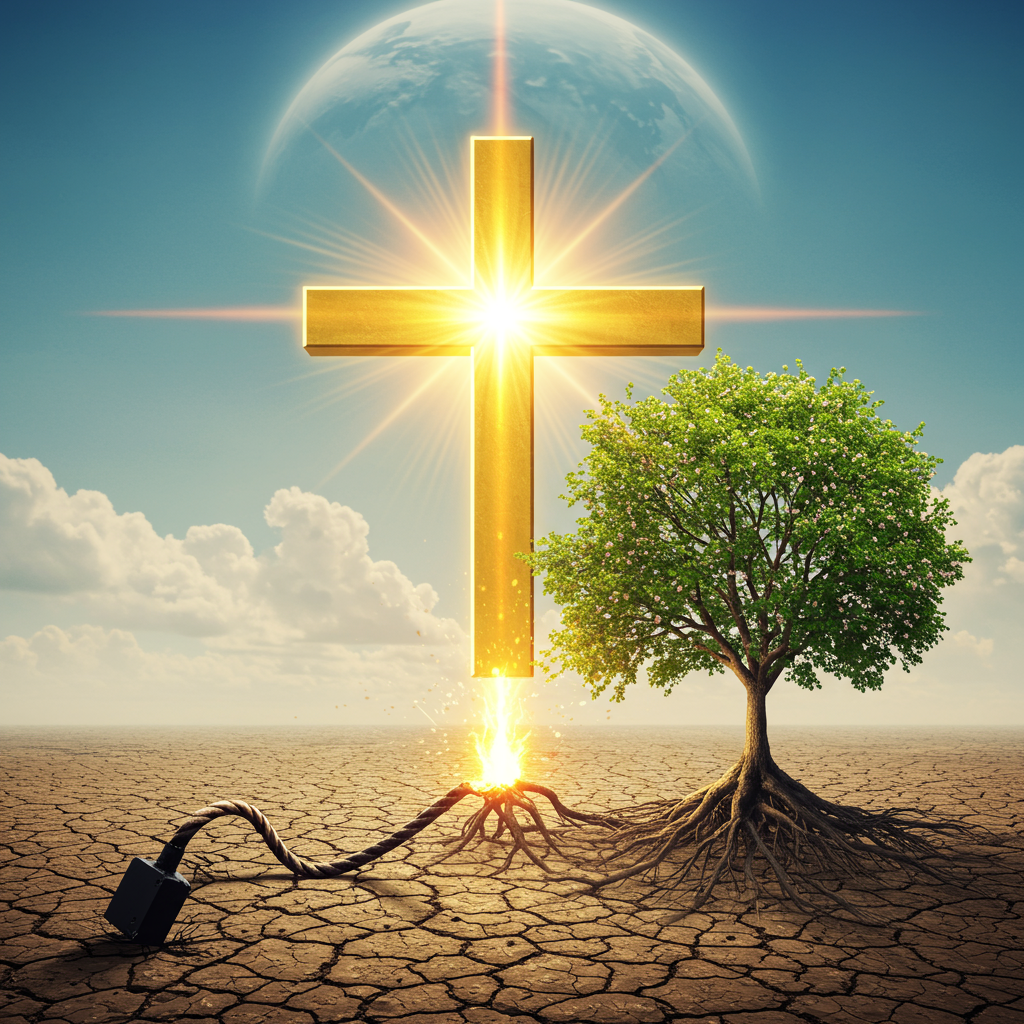
We know Christian forgiveness is essential, but most believers miss the incredible truth: it’s not just a divine transaction—it’s the direct fuse igniting your radical spiritual transformation. The sacrifice on the cross didn’t just clear a debt; it established a powerful, ongoing divine relationship, granting constant access to the Creator and the internal power needed to fulfill the most important commands in your daily Christian life. This deep, internal change—moving you from a heart of stone to a heart of flesh—is enabled solely by the indwelling Holy Spirit, the same power that conquered death. If you are ready to stop striving in your faith and start experiencing the unstoppable power that equips you to overcome sin and live purposefully, join us as we explore how receiving and extending true forgiveness activates the miraculous life promised to us.
1. How Christian Forgiveness Starts Your Divine Relationship
Christian forgiveness is the bedrock of our entire faith and experience. It is far more than a theological concept; it is the starting point for a brand-new way of existing. When we accept the sacrifice made for us, we receive divine forgiveness, which accomplishes two crucial things: it cleanses us from past wrongs and, more importantly, establishes a direct, personal divine relationship with God.
More Than Just a Clean Slate: New Access to God
If we think of forgiveness as merely wiping the slate clean, we miss the radical depth of what actually happened at the cross. Getting rid of guilt is only the first step. The true blessing is the creation of a direct pathway—a new access—to the Creator of the universe.
For millennia, human sin acted like a thick, impenetrable barrier between us and God. Access was strictly controlled and often required special rituals or mediators. However, through Christian forgiveness, that barrier is destroyed. The core message of the gospel is that we are not just declared innocent; we are adopted into the family of God. We move from being estranged subjects to cherished sons and daughters. This adoption is the foundation of our new relationship, redefining our status from condemned to co-heirs.
Constant Access to the Creator: Your New Normal
Because of this radical act of reconciliation, believers are granted something incredible: constant, immediate access to God. This changes everything about our life and prayer experience. We no longer rely on external conditions or human intermediaries; the veil has been torn, granting us bold entry into God’s holy presence (Hebrews 4:16).
This constant access is the hallmark of the new divine relationship. It means we can bring every worry, every joy, and every failure directly to Him, knowing our prayers are heard and welcomed. This intimate, conversational relationship is the essential starting point that enables the profound spiritual transformation that follows.
2. Unlocking Spiritual Transformation Through the Holy Spirit
Receiving Christian forgiveness is the doorway, but true spiritual transformation is the journey that unfolds within that divine relationship. This transformation is not optional; it’s the necessary consequence of having divine life infused into us.
The Difference Between Trying and Transforming
Many believers mistake the Christian life for simply “trying harder.” They believe if they just exert enough self-control, they can overcome sin, break old habits, and be better people. But this approach relies solely on limited human strength—an approach that inevitably leads to burnout and cycles of guilt.
The difference is profound:
- Trying: Relying on human willpower, focusing on surface-level behavior modification, leading inevitably to exhaustion and failure.
- Transforming: Relying completely on the divine power of the Holy Spirit, which changes the internal nature, leading to genuine, lasting change.
- Sensitivity: We become acutely sensitive to God’s conviction and direction, desiring holiness.
- Responsiveness: Obedience shifts from a burden to a joyful response to love.
- Compassion: We gain the capacity to love others with divine agape love—a selfless, serving love that was impossible through natural effort alone.
Transformation is not merely adjusting behavior; it is a profound nature modification. Consider the case of overcoming chronic anxiety: trying to stop anxious thoughts through sheer effort often fails. Transformation, however, allows the Spirit to instill a supernatural peace that addresses the root of the fear, proving that relying on divine power leads to victory over persistent challenges.
From a Heart of Stone to a Heart of Flesh
The Bible describes the human condition before transformation as having a “heart of stone.” This stone heart is hard, stubborn, unresponsive, and fundamentally incapable of genuine, selfless love.
The Holy Spirit performs an internal, radical surgery upon receiving forgiveness. He takes away the heart of stone and replaces it with a “heart of flesh.” This shift is the essence of spiritual transformation.
The practical outcomes of receiving a heart of flesh are immediate:
The Holy Spirit: The Same Power That Conquered Death
To understand the magnitude of this transformation, we must recognize the source of the power. The Holy Spirit dwelling within the believer is not a passive influence; it is the very power that accomplished the greatest miracle in history: raising Jesus Christ from the dead.
This truth provides incredible assurance: If the same resurrection power lives in you (Romans 8:11), then there is no habitual sin, no addiction, and no personal weakness too great for you to overcome. This power enables us to live the dynamic and victorious Christian life promised in Scripture. We are empowered by the resurrection force itself, equipping us for active obedience and service.
3. Living the Powerful Christian Life: Purpose and Overcoming Sin
When we embrace Christian forgiveness and yield to the power of the Holy Spirit, we step into a purposeful and powerful Christian life. This life is marked by victory over sin, the maintenance of the divine relationship, and a deep dedication to fulfilling our calling.
Forgiving Others: The Key that Keeps the Power On
The divine relationship we established through forgiveness is sustained through our willingness to extend that same grace to others. Unforgiveness acts like a spiritual dam, blocking the flow of God’s grace and hindering the work of the Holy Spirit in our lives.
When we refuse to forgive someone who has wronged us, we spiritually contradict the freedom we received. We were forgiven an immeasurable debt; therefore, we must forgive our smaller debts. Spiritual transformation is visible not only in our piety but in our reconciliation. A prime example is the powerful result seen in trauma recovery ministry: believers who choose to forgive their abusers report an immediate lifting of mental and spiritual oppression, proving that extending grace is key to sustaining personal power and freedom.
Equipped to Obey: Fulfilling the Most Important Commands
The ultimate proof of our spiritual transformation is the ability and desire to obey God’s laws, particularly the two greatest commands: loving God completely and loving our neighbors as ourselves.
Before the Spirit’s indwelling, these commands were impossible and felt restrictive. Now, they become the joyful path of the Christian life. The Spirit provides the tools required for sustained obedience: wisdom to apply biblical truth, strength to choose righteousness even when it is costly, and the love required to genuinely serve and sacrifice for others. This obedience demonstrates the reality of our new relationship through practical, visible love and action.
Walking Purposefully Until the Final Return
The Christian life is not passive; it is an active mission fueled by purpose. Having been forgiven, transformed, and equipped, we are called to be witnesses of this new life and divine relationship. Our purpose is not self-defined but Christ-defined: to seek the lost, serve the marginalized, and reflect the light we have received.
This ultimate purpose guides all our actions, making our lives meaningful and focused. This dedicated walk continues until the final, glorious return of Christ, giving direction and urgency to our daily decisions. We are marching purposefully, empowered by the Spirit, reflecting our status as forgiven and transformed children of God.
In Summary
Christian forgiveness serves as the critical pivot point, transforming estranged subjects into co-heirs and establishing immediate, constant access to the divine. This profound relationship is the prerequisite for authentic spiritual transformation, which transcends human effort. True nature modification is the work of the Holy Spirit, relying on the indwelling resurrection power that conquered the grave. This divine infusion equips believers to overcome persistent challenges, replacing a heart of stone with one sensitive to God’s direction. To sustain this dynamic power, the grace received must be the grace extended; therefore, the forgiveness of others is non-negotiable. This process yields a victorious and purposeful Christian life defined by active obedience, focused on reflecting the radical love and transformation experienced until the final return.